


by Louw Lemmer · March 6, 2026
A Sabi Sand ecological forecast
In early 2026, the Greater Kruger region received some of the heaviest rainfall in over a decade. The Sabi Sand recorded approximately 350mm in a matter of days. Rivers surged. Waterholes overflowed. And the bush responded the way it always does after exceptional rain: it erupted.
But the real story is not only what happened during the downpour. It is what happens next.
Everything grows. Not everything benefits equally.
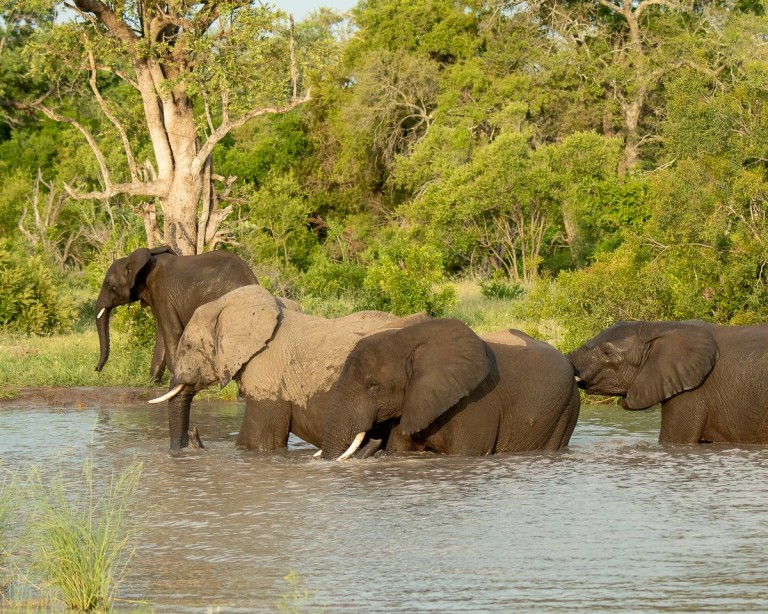
After heavy rains, the bush is thick. Grass grows chest-high in open clearings. The Sand River flows with a force that rearranges its own banks. Marula trees fruit heavily, their output directly tied to the rainfall they receive, and elephants take full advantage, lingering longer and feeding with less urgency.
Below the surface, groundwater reserves recharge. The water table rises, and the root systems of deep-rooted trees gain access to the moisture they will draw on for months. This underground reserve is what separates a single good season from a multi-year ecological shift.

Image by Stevan Loffler
The browsers feast. The grazers face a paradox.
Kudu, nyala, impala, and the smaller browsers like duiker and steenbok respond almost immediately to good rains. These animals depend on leaves, shoots, and fresh herbaceous plants rather than grass. A wet year extends the period that trees hold green foliage, which means more food for longer. For browsers, good rain is simply good news.
For the pure grazers, such as wildebeest, zebra, and waterbuck, the picture is more complex. Tall, fast-growing grass produces more bulk but less nutrition per mouthful. As grasses grow rapidly, they invest in structural fibre rather than protein-rich leaf. Wildebeest feel this most acutely. They are selective short-grass feeders that depend on high-nitrogen regrowth. When grass stands tall and rank around them, they cannot access what they need.
Impala herd alert in the green grasslands of the Sabi Sand
The animal that resets the table
Buffalo are bulk grazers. They eat what nothing else will touch: tall, fibrous, stemmy grass that every other grazer avoids. Large herds move through rank grassland like a slow-moving mower, opening it up and returning locked nutrients to the soil.
What follows is a grazing succession that is among the most elegant processes in the greater Kruger region. Buffalo crop the tall grass. Zebra move in behind them to take the medium-length growth. And wildebeest arrive last to feed on the short, nitrogen-rich regrowth. One species creates the conditions for the next. Without buffalo, the whole grazing guild struggles in a year of exceptional growth.
Buffalo bull with oxpeckers in the Sabi Sand
Elephants eat grass. Trees get a reprieve.
Elephant feeding behaviour shifts more dramatically with rainfall than most visitors realise. In the dry season, as little as 10% of their diet is grass. The rest is bark, branches, leaves, fruits and roots. But in the wet season, when grass is green and abundant, that ratio flips. Research in Kruger shows elephants shift to roughly 50% grass. Add the marula fruit that drops heavily after good rains, and breeding herds have reason to stay longer and range less.
An exceptional rain year extends this grass-heavy diet further into the season. Trees that would normally be stripped and pushed are, for a time, left alone.
Image by Stevan Loffler
The cascade continues
Good rains do not simply green the landscape for a season. They set a cascade in motion that reshapes the entire ecosystem: who eats, who hunts, who thrives, who struggles. Each connection triggers the next, and the sequence plays out over years, not weeks.
In Part Two, we explore how the landscape of fear shifts toward the predators, the breeding wave that follows abundance, and what this means for wildlife viewing over the next two to three years.
To experience the Sabi Sand in this exceptional period, begin planning your stay at Silvan.
Silvan Safari is located in the Sabi Sand Private Game Reserve, Greater Kruger, South Africa.