


by Elias Msaya · September 23, 2025
Guests often ask us when the best time is to visit Silvan Safari. The truth is, there isn’t a single answer. Each season in the Sabi Sand brings its own rhythm, transforming the landscape and offering a fresh perspective on the bush. Whether you visit in the lush green of summer or the golden light of winter, the experience is always extraordinary.

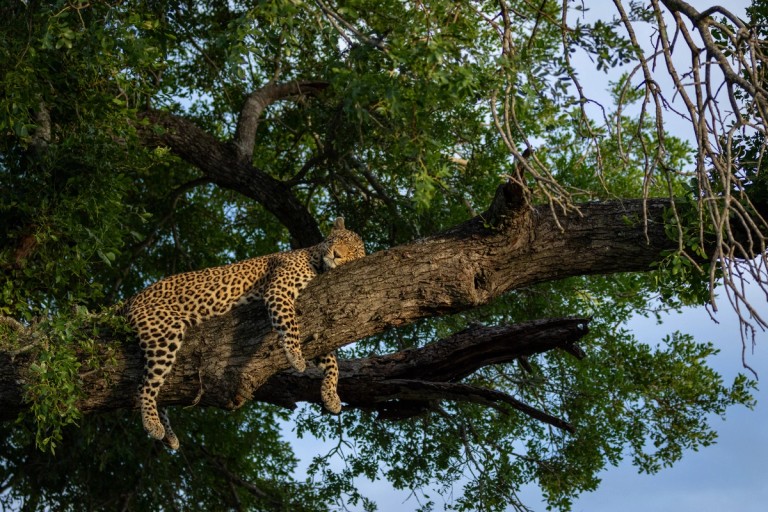
Every season offers something wholly unique, Image Credit: Marius Zeilinga
The Climate at a Glance
We welcome guests year-round. Summers (November–March) are warm and rainy, with temperatures soaring above 40°C at times. Winters (June–August) are dry, with crisp mornings that can drop to 5°C before the afternoons mellow into the mid-20°Cs.
January to March: The Green Season
The bush comes alive after the summer rains. Grasses grow tall, trees flush with green, and newborn antelope take their first steps. Migratory birds return in full force, filling the skies with colour and song. January is also the wettest month, with rains tapering off through February and March. This makes it a paradise for birders and photographers drawn to dramatic skies and vibrant scenery.
Don't let the greenery fool you, this is by far the hottest time of year, Image Credit: Marius Zeilinga
April to May: Autumn’s Drama
As the rains ease, the bush begins to thin. The rutting season for impala, wildebeest and other antelope creates a spectacle of clashing horns and echoing calls. Trees shed their leaves, the air cools, and migratory birds begin their long journeys north. It’s a season of transition, one that highlights the raw energy of the wilderness.
With milder weather and more visibility, this is a wonderful time of year for a safari, Image Credit: Marius Zeilinga
June to August: Winter’s Clarity
Dry winter months offer superb game viewing. With little water in the bush, wildlife congregates at rivers and waterholes. Days are sunny and comfortable, though mornings and evenings can be crisp. Guests are treated to thoughtful touches on game drives: heated seats, hot-water bottles, blankets and ponchos, ensuring comfort while you watch the bush reveal its secrets.
Icy mornings, hot drinks, and amazing sightings make for a true winter wonderland, Image Credit: Marius Zeilinga
September to October: Spring Awakening
Spring ushers in warmth and the first flush of green. Mornings are cool, afternoons grow warmer, and by October the heat builds to 37°C. Wildlife sightings are rewarding as grasses remain low and animals move freely. This is also a time of renewal, when the bush shakes off the dryness of winter in anticipation of the rains.
Spring always brings much-needed new life to the bush, Image Credit: Marius Zeilinga
November to December: New Life
With the first rains, the bush transforms. Fresh grazing and waterholes bring relief to wildlife, while impala and other antelope drop their young. Everywhere you look, the bush teems with life. Birding is at its peak, and game drives are alive with both predator and prey. Light clothing is best for this season, with a rainproof layer tucked away for the occasional shower.
Although storms this time of year can be violent, the bush is so lush and beautiful, Image Credit: Marius Zeilinga
Every Season Holds a Story
There is no “best” time to visit Silvan Safari, only the time that best suits what you wish to experience. Whether you long for the drama of predator and prey in winter, the lush beauty of summer, or the quiet transitions of autumn and spring, Silvan Safari offers it all.
Discover your season in the Sabi Sand. Begin planning your journey with Silvan Safari today.